
How to Create a Comfortable and Efficient Home Office for Remote Work

Introduction
Working from home offers unparalleled flexibility, but it also requires a well-designed workspace to ensure productivity and comfort. A thoughtfully arranged home office can make a significant difference in how effectively you perform your tasks and maintain a work-life balance. This guide provides practical tips on setting up a home office that meets the demands of remote work, helping you create a space that supports both efficiency and well-being.
Selecting the Optimal Workspace Location
The location of your home office plays a critical role in your ability to focus and work efficiently. Choose a quiet area in your home where you can work without interruptions. If a separate room is not an option, consider creating a dedicated workspace using a room divider or partition. Positioning your desk near a window is beneficial, as natural light has been shown to improve mood and increase productivity. Additionally, ensure that your workspace  is well-ventilated and has adequate lighting to reduce eye strain and enhance your overall work experience.
Prioritizing Ergonomic Comfort
Ergonomics should be a top priority when setting up your home office, as it directly impacts your physical health and comfort. Invest in an ergonomic chair that provides good lumbar support and can be adjusted to suit your body’s needs. Your desk should be at a height that allows your arms to rest comfortably while typing, and your monitor should be positioned at eye level to prevent neck strain. If possible, consider using a sit-stand desk to vary your posture throughout the day, which can help reduce the risk of back pain and other musculoskeletal issues.
Keeping Your Workspace Organized
An organized workspace is essential for maintaining focus and reducing stress. Use storage solutions such as shelves, drawers, and desk organizers to keep your workspace tidy and free of clutter. Ensure that frequently used items are easily accessible, but avoid overcrowding your desk with unnecessary items. A clean and orderly environment not only enhances productivity but 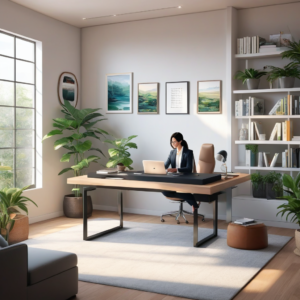 also creates a more pleasant work atmosphere. Personalizing your space with items like plants, photographs, or artwork can also make your home office feel more inviting and comfortable.
Conclusion
Creating a productive and comfortable home office is crucial for success in remote work. By carefully selecting the location, investing in ergonomic furniture, and maintaining an organized workspace, you can build an environment that supports both your productivity and well-being. Whether you’re new to working from home or a seasoned remote worker, these tips will help you create a home office that meets your needs and enhances your overall work experience.