
Understanding the Essential Tech Skills for Remote Work

Introduction
Adapting to remote work requires more than just setting up a home office; it involves developing a range of technical skills that are critical for success. As a remote worker, your ability to navigate various digital tools and manage your workflow effectively can significantly impact your performance and overall well-being. Let’s explore the essential tech skills you need to cultivate for thriving in a remote work environment.
Mastering Communication Tools
Effective communication is fundamental to remote work success. Learning to use communication tools like Zoom, Microsoft Teams, and Slack can help you stay connected with your team and manage your tasks efficiently. These tools facilitate virtual meetings, instant messaging, and collaborative projects, allowing you to maintain productive interactions despite physical distance. Building proficiency in these platforms ensures that you can communicate clearly and contribute effectively to your team’s goals.
Enhancing Digital Literacy
Digital literacy is crucial for managing various tasks and responsibilities from home. Familiarizing yourself with software applications such as Microsoft Office, Google Workspace, and project management tools 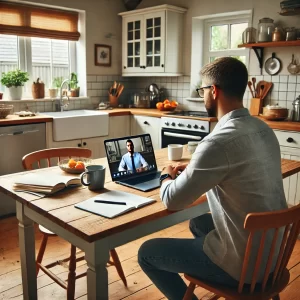 like Trello can streamline your workflow and boost your productivity. For those in specialized fields, gaining skills in relevant software and technologies is beneficial. Keeping abreast of technological advancements and continually updating your digital skills will help you stay competitive and proficient in your role.
Developing Time Management Skills
Time management is a vital skill for remote workers, as it helps in balancing professional duties and personal commitments. Utilizing tools like Google Calendar and task management apps can assist in organizing your schedule and tracking your tasks. Establishing a structured routine with dedicated work hours and regular breaks can enhance your productivity and prevent burnout. Effective time management enables you to meet deadlines and maintain a healthy work-life balance.
Prioritizing Cybersecurity
Cybersecurity is an essential aspect of remote work, given the increased risk of digital threats. Understanding basic cybersecurity practices, such as using strong passwords and enabling two-factor authentication, helps protect your sensitive information. Being cautious of phishing attempts and ensuring that your home network is secure are also important measures. Staying informed about the latest cybersecurity trends and practices can safeguard your  data and contribute to a secure remote work environment.
Embracing Lifelong Learning
In a dynamic remote work environment, continuous learning is key to staying relevant and effective. Engaging in online courses and professional development opportunities can enhance your technical skills and keep you updated with industry trends. Lifelong learning not only supports your career growth but also helps you adapt to new challenges and opportunities in the remote work landscape.
Conclusion
Thriving in a remote work setting requires a blend of technical skills and continuous personal development. By mastering communication tools, enhancing digital literacy, managing your time effectively, prioritizing cybersecurity, and embracing lifelong learning, you can set yourself up for success in the remote work environment. Cultivating these competencies will help you navigate the challenges of remote work and achieve a fulfilling and productive career.