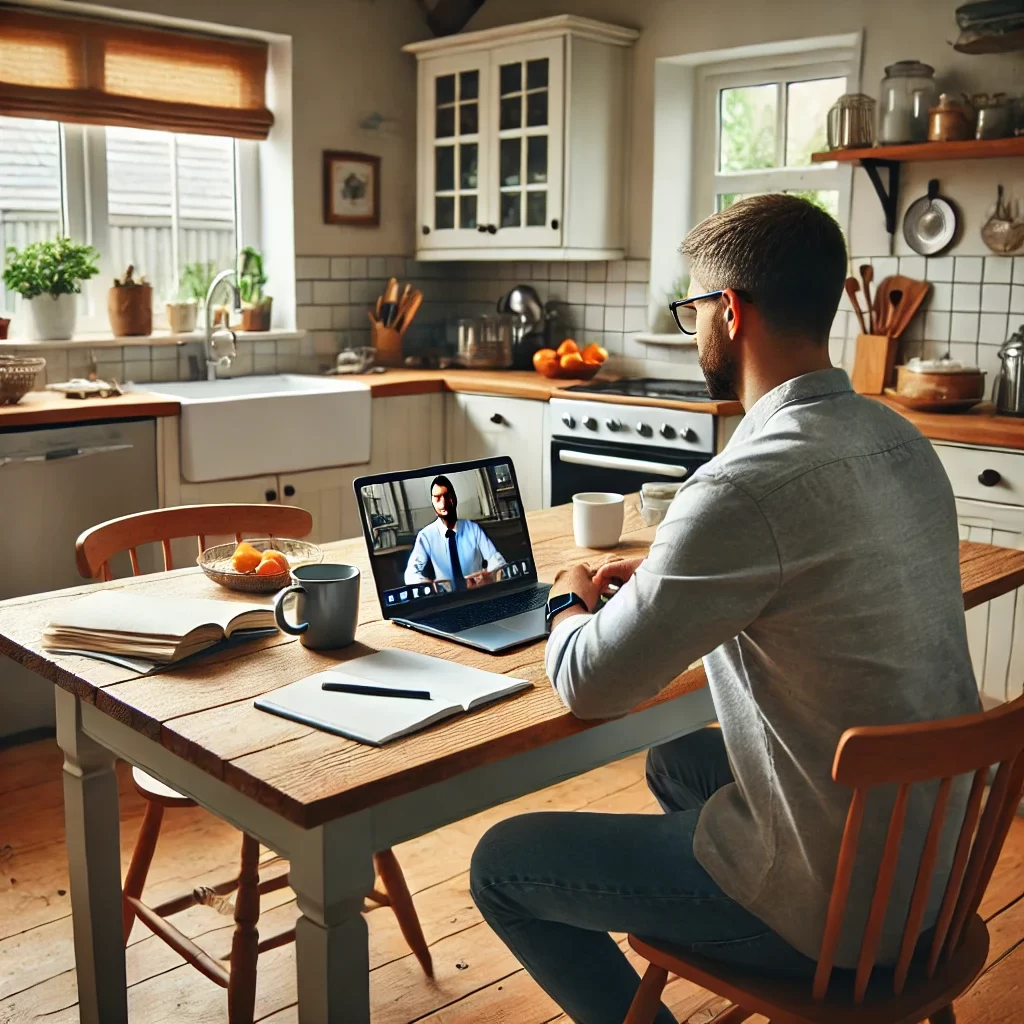
Exploring Remote Opportunities for Administrative Assistants
Introduction
The Shift to Remote Administrative Roles
Administrative assistants play a crucial role in keeping organizations running smoothly, managing schedules, handling communications, and supporting various administrative tasks. With the rise of remote work, many administrative roles have transitioned to telecommute settings, offering professionals the flexibility to perform their duties from anywhere. Telecommute jobs for administrative assistants are becoming increasingly popular as companies embrace remote work policies, allowing administrative staff to operate effectively without being tied to a physical office.
Remote administrative roles cover a wide range of responsibilities, including calendar management, email correspondence, document preparation, and customer service. These roles are well-suited for telecommuting due to the nature of the tasks, which often involve organization, communication, and multitasking—all tasks that can be managed remotely with the right tools and technology. For administrative assistants seeking a better work-life balance, reduced commuting time, and the ability to work for organizations globally, telecommute jobs offer an attractive alternative to traditional office-based roles.
This article explores the landscape of telecommute jobs for administrative assistants, the skills required to succeed in this field, and the tools and technologies that enable effective remote administration. We will also discuss the challenges of working remotely as an administrative assistant and how to overcome them to thrive in a telecommute role.
The Role of a Telecommute Administrative Assistant
Responsibilities and Key Skills
Telecommute administrative assistants perform a wide range of functions that support the daily operations of an organization. The core responsibilities of a remote administrative assistant include:
1. Calendar and Schedule Management: Administrative assistants are responsible for managing the calendars and schedules of executives, teams, or entire departments. This includes scheduling meetings, appointments, and events, as well as coordinating travel arrangements. Remote tools like Google Calendar, Microsoft Outlook, and scheduling software are essential for these tasks.
2. Email and Communication Management: Handling email correspondence and communication is a key part of an administrative assistant’s role. This involves sorting and responding to emails, drafting messages, and ensuring that important communications are prioritized. Remote administrative assistants use email clients, such as Gmail or Outlook, and communication platforms like Slack or Microsoft Teams to manage these tasks efficiently.
3. Document Preparation and Management: Administrative assistants are often tasked with preparing, editing, and managing documents, including reports, presentations, and spreadsheets. Tools like Microsoft Office, Google Workspace, and document management systems are essential for creating, organizing, and sharing documents in a remote environment.
4. Customer Service and Support: Providing customer service and support is another important responsibility of an administrative assistant. This can include answering phone calls, responding to inquiries, and providing information to clients or customers. Remote administrative assistants use communication tools like VoIP phone systems, chat platforms, and customer relationship management (CRM) software to manage these interactions.
5. Task and Project Management: Administrative assistants often manage tasks and projects, ensuring that deadlines are met and that all necessary steps are completed. Tools like Trello, Asana, and Monday.com are useful for tracking tasks, managing projects, and collaborating with team members in a remote setting.
Essential Tools for Remote Administrative Assistants
Leveraging Technology to Manage Administrative Tasks Remotely
Remote administrative assistants rely on a variety of tools and technologies to manage their responsibilities effectively. Some of the most commonly used tools in remote administration include:
1. Calendar Management Tools: Calendar management tools, such as Google Calendar, Microsoft Outlook, and Calendly, are essential for scheduling meetings, appointments, and events. These tools allow remote administrative assistants to coordinate schedules, send invitations, and manage time zones efficiently.
2. Email Clients: Email clients, such as Gmail, Microsoft Outlook, and Apple Mail, are crucial for managing communication in a remote setting. These platforms offer features like filtering, labeling, and integration with other tools, making it easier for administrative assistants to stay organized and prioritize important emails.
3. Document Management Systems: Document management systems, such as Google Drive, Dropbox, and OneDrive, provide a secure and organized way to store and share documents. These tools allow remote administrative assistants to manage files, collaborate on documents, and ensure that all necessary materials are easily accessible to the team.
4. Task and Project Management Tools: Task and project management tools, such as Trello, Asana, and Monday.com, help administrative assistants track tasks, manage projects, and collaborate with team members. These tools provide a visual and organized way to manage workflows, set deadlines, and ensure that all tasks are completed on time.
5. Communication Platforms: Communication platforms, such as Slack, Microsoft Teams, and Zoom, are essential for staying connected with colleagues, clients, and customers. These tools offer features like messaging, video conferencing, and file sharing, making it easy for remote administrative assistants to manage communication and support the team effectively.
Challenges and Solutions in Remote Administration
Navigating the Complexities of Administrative Work from Home
While telecommute administrative roles offer many benefits, they also come with unique challenges that professionals must navigate. Some common challenges include:
1. Managing Time Zones: Working with colleagues and clients in different time zones can make scheduling meetings and coordinating tasks challenging. To overcome this, remote administrative assistants should use calendar tools with time zone features, set clear communication protocols, and be mindful of time zone differences when scheduling meetings.
2. Maintaining Organization: Staying organized is crucial for managing the various tasks and responsibilities of an administrative assistant, especially in a remote setting. To maintain organization, administrative assistants should use task management tools, set up a structured filing system for documents, and prioritize tasks based on urgency and importance.
3. Ensuring Clear Communication: Remote communication can sometimes lead to misunderstandings or delays in response. To ensure clear communication, administrative assistants should use multiple communication channels, confirm details in writing, and follow up on important messages to ensure that nothing falls through the cracks.
Opportunities for Growth in Remote Administration
Advancing Your Career as a Telecommute Administrative Assistant
Remote administrative assistants have numerous opportunities for career growth and advancement. As organizations continue to embrace remote work, the demand for skilled administrative professionals who can manage remote operations is expected to increase. By staying updated on the latest tools, continuously improving your skills, and seeking out new challenges, you can advance your career in the field of administration.
One area of growth in remote administration is specialization. Administrative assistants who develop expertise in specific areas, such as project management, customer service, or executive support, can become valuable assets to their organizations and take on leadership roles within their specialty. Additionally, gaining proficiency in advanced tools, such as CRM systems or data analytics, can open up opportunities for more complex and strategic roles.
Another opportunity for growth is transitioning into related fields, such as office management, operations, or human resources. The skills and experience gained as an administrative assistant can provide a strong foundation for these roles, allowing you to expand your career opportunities and take on new challenges in the remote work environment.
Conclusion
Thriving as a Telecommute Administrative Assistant
Telecommute jobs for administrative assistants offer a unique opportunity to manage essential administrative functions while enjoying the flexibility of remote work. By developing the necessary skills, leveraging digital tools, and navigating the challenges of remote administration, professionals can succeed in this field and contribute to the success of the organizations they work for. As the demand for remote work continues to grow, those who embrace the opportunities of telecommute administrative roles will be well-positioned for a successful and fulfilling career in this dynamic and evolving field.