The Future of Flexible Work Setups
Trends Shaping the Future of Work Flexibility
Future Trends in Flexible Work Arrangements
The future of flexible work arrangements is poised for significant evolution as businesses and employees increasingly recognize the benefits of work flexibility. Emerging trends in flexible work setups will shape the future of work, emphasizing technological advancements, employee well-being, and evolving workplace dynamics.
Technology will be a cornerstone of the future of flexible work. Innovations in communication and collaboration tools, including virtual reality (VR) and augmented reality (AR), will elevate remote work experiences, facilitating seamless collaboration and a stronger sense of presence despite physical distances. Additionally, AI-powered tools will automate routine tasks, enabling employees to concentrate on more strategic and creative endeavors.
Hybrid work models are expected to become standard practice, with employees dividing their time between remote work and in-office presence. This model allows organizations to retain a physical office while offering employees the flexibility to work from home or other locations. The hybrid model’s appeal lies in its ability to combine the benefits of remote work with the advantages of face-to-face collaboration.
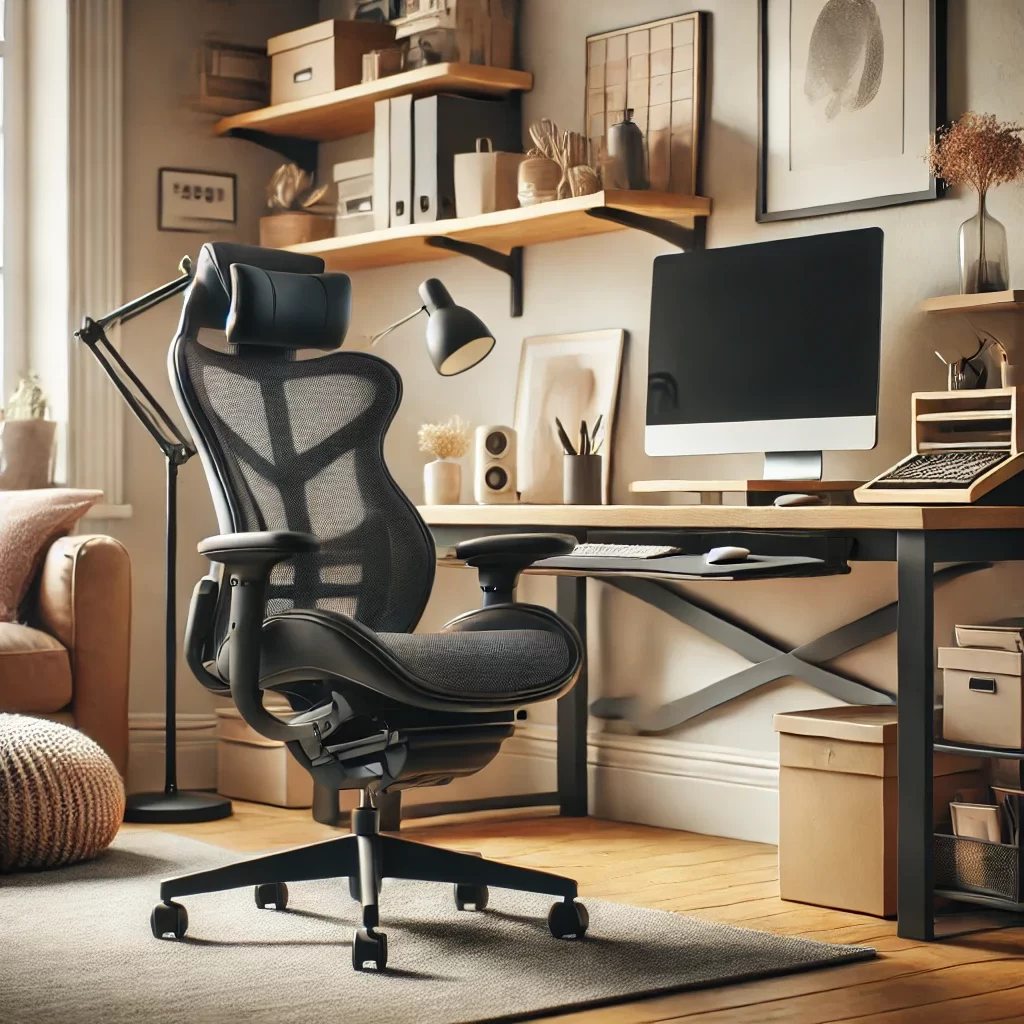
Employee well-being will remain a central focus in the future of flexible work. Companies are likely to invest more in mental health resources, wellness programs, and ergonomic home office setups to support employees in their flexible work environments. The emphasis on well-being will also include promoting a healthy work-life balance, with employers encouraging employees to establish boundaries and take regular breaks.
As the workforce becomes increasingly diverse, flexible work arrangements will need to accommodate a wider range of needs and preferences. This could involve more personalized work schedules, greater support for caregivers, and the introduction of new types of flexible work arrangements tailored to specific roles or industries.
Another emerging trend is the shift towards results-oriented work environments. In these environments, success is measured by outcomes and deliverables rather than hours spent at a desk. This shift empowers employees to manage their time more effectively and focus on achieving goals rather than adhering to a strict schedule.
The future of flexible work will also likely involve changes in workplace policies and regulations. As demand for flexible work options grows, governments and organizations may introduce new laws and guidelines to protect workers’ rights and ensure that flexible work arrangements are equitable and accessible to all.
In summary, the future of flexible work arrangements will be influenced by technological advancements, the rise of hybrid work models, a focus on employee well-being, and a shift towards results-oriented work environments. As these trends continue to evolve, businesses and employees will need to adapt to new ways of working, ensuring that flexible work arrangements remain beneficial for all parties involved.