Adapting Flexibility for Graphic Designers
Work Flexibility for Creative Professionals
Flexible Work Arrangements for Graphic Designers
Flexible work arrangements can be highly beneficial for graphic designers, offering the autonomy and flexibility needed to balance creative projects with personal commitments. These arrangements include options such as remote work, flextime, compressed workweeks, job sharing, and part-time roles, each offering unique advantages for creative professionals.
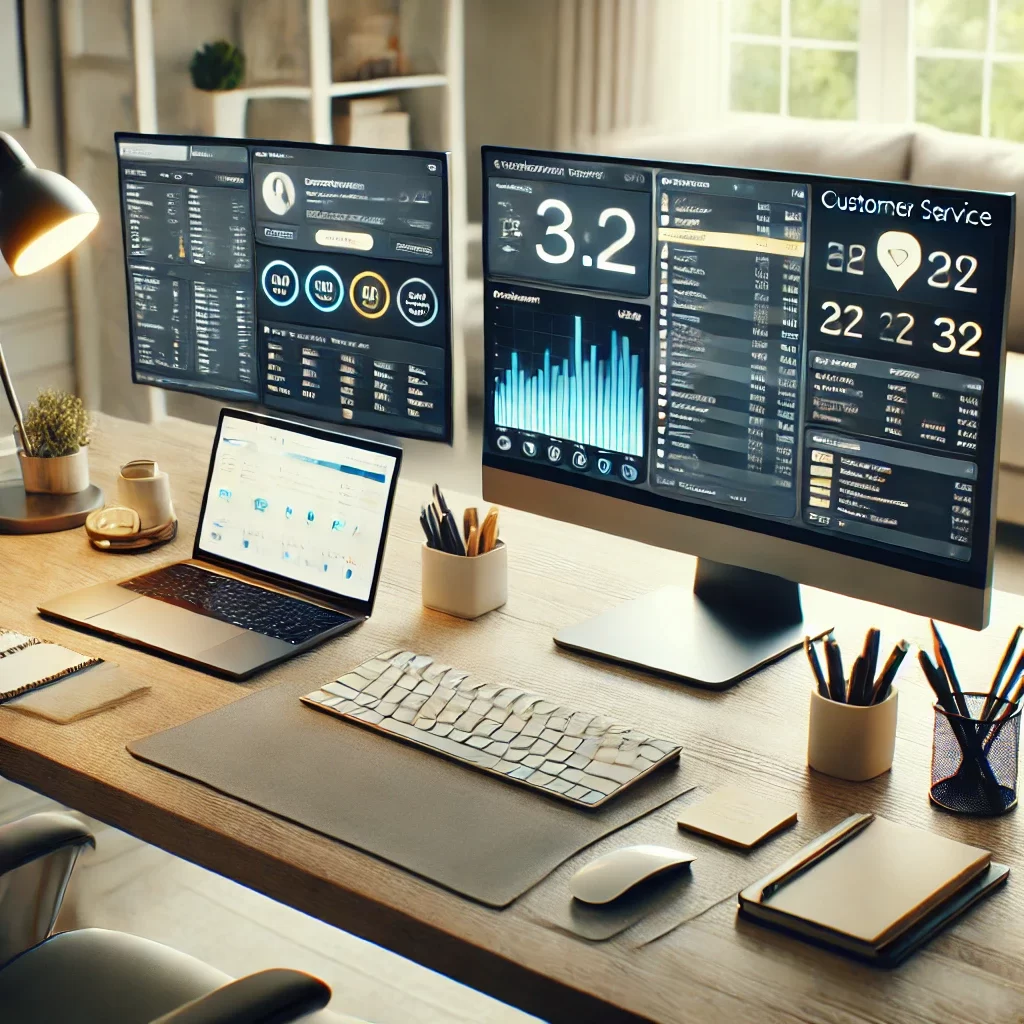
Remote work allows graphic designers to work from any location with an internet connection. This flexibility eliminates the need for commuting and provides greater control over their schedules. Remote work can lead to increased job satisfaction and productivity, as designers can work in environments that inspire creativity and comfort.
Flextime enables graphic designers to choose their work hours within a specified range. This flexibility allows them to work during their most productive periods and better manage personal commitments. Flextime can help reduce stress and improve overall job satisfaction.
Compressed workweeks offer graphic designers the opportunity to work longer hours over fewer days, resulting in additional days off. This arrangement can be particularly beneficial for those who need more consecutive days for personal commitments or to recharge. The extra days off can lead to increased productivity and reduced burnout.
Job sharing involves two graphic designers sharing the responsibilities of a single full-time position, splitting the hours and tasks between them. This arrangement allows for part-time work opportunities while maintaining a professional role. Job sharing can be an excellent option for designers who need to balance work with other commitments, such as caregiving or further education.
Part-time roles provide the highest level of flexibility, allowing graphic designers to work fewer hours while still maintaining a professional presence. This setup is ideal for those who need to devote significant time to personal responsibilities but still want to stay engaged in their creative careers.
While flexible work arrangements offer numerous benefits for graphic designers, they also require effective communication and management to ensure success. Employers must set clear expectations, provide the necessary tools and resources, and maintain regular check-ins to support their creative teams.
In conclusion, flexible work arrangements are an invaluable resource for graphic designers, offering the flexibility needed to balance creative projects and personal commitments. By understanding and implementing these options, employers can support their graphic designers in achieving a healthier work-life balance, leading to increased job satisfaction and productivity.