Designing a Comfortable and Effective Home Office
Building the Perfect Home Office for Remote Work
Understanding Your Home Office Needs
As you transition to working from home, one of the most important steps you can take is to create a home office that supports your productivity and well-being. Your home office isn’t just a place to work; it’s a space that can influence your focus, energy levels, and overall job satisfaction. Whether you’re new to remote work or looking to improve your current setup, taking the time to design a home office that aligns with your needs is crucial. In this guide, we’ll walk through the essential elements of a productive home workspace, helping you create an environment where you can thrive professionally while maintaining a sense of comfort and balance.
Selecting a Space that Suits You
Choosing the right location for your home office is the foundation of a productive workspace. It’s important to find a spot in your home where you can focus, away from the distractions of daily life. Consider a room with a door that  you can close, or a quiet corner where you can create a sense of separation from the rest of your home. Natural light is a valuable asset, as it can boost your mood and help you feel more connected to the outside world. If your space is limited, get creative with how you define your work area, using furniture or decor to mark your office space within a larger room.
Investing in Your Comfort
Comfort is key when it comes to creating a home office that you’ll enjoy working in day after day. Start with the basics: a supportive chair and a sturdy desk. An ergonomic chair is an investment in your health, providing the support your back and neck need to prevent discomfort and strain. Your desk should be at a height that allows you to work comfortably, with enough space for your computer, supplies, and anything else you need within easy reach. Don’t forget about your feet—consider using a footrest to improve your posture and circulation during long work sessions.
Enhancing Your Technological Setup
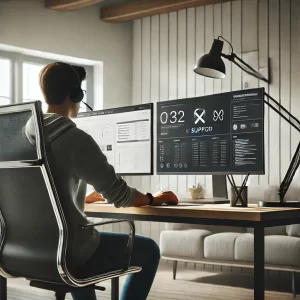
Your home office should be equipped with  the technology you need to do your best work. A reliable computer and high-speed internet connection are must-haves, but don’t overlook other tools that can make your workday smoother. Consider upgrading your monitor for better visibility, or adding a second screen if your work involves multitasking. A quality keyboard and mouse can also make a big difference in your comfort and efficiency. If you handle a lot of documents, a printer and scanner may be essential. Taking the time to optimize your technology setup will pay off in the form of a more seamless and enjoyable work experience.
Organizing for Productivity
An organized workspace is a productive workspace. Start by decluttering your desk, removing anything that isn’t essential to your work. Use organizers, drawers, and shelves to keep everything in its place, making it easy to find what you need when you need it. Label your files and documents, and consider using digital tools to reduce the amount of paper clutter. Cable management solutions can help keep your cords and cables tidy, preventing them from becoming a distraction. When your workspace is clean and organized, you’ll find it easier to focus on your tasks and maintain a positive mindset throughout the day.
Making the Space Your Own
Your home office should be a reflection of your personality and a place where you feel comfortable and inspired. Adding personal touches, such as artwork, plants, or photos, can make your workspace more inviting and enjoyable. Plants, in particular, can bring a sense of calm and improve the air quality in your office. Just be mindful not to overdo it—too much decor can create a cluttered environment that detracts from your productivity. Striking the right balance between personalization and functionality will help you create a space where you can work efficiently while feeling at ease.
Balancing Work and Home Life
One of the biggest challenges of working from home is maintaining a healthy work-life balance. It’s easy to let work spill over into your personal time, especially when your office is just a few steps away. To avoid burnout, establish a routine that includes regular work hours and set boundaries between your work and home life. When your workday is done, take the time to “close” your office—turn off your computer, tidy your desk, and step away from your workspace. This simple routine can help you mentally transition from work mode to personal time, allowing you to fully relax and recharge.
Conclusion
Designing a home office that meets your needs is an investment in your productivity, well-being, and overall work satisfaction. By carefully selecting your workspace, investing in comfortable and supportive furniture, and organizing your environment, you can create a home office that supports your professional goals while enhancing your quality of life. Personalizing your space and maintaining a clear boundary between work and personal life will help you stay motivated, focused, and balanced. Remember, your home office is not just a place to work—it’s a space where you can thrive. By taking the time to set up your home office thoughtfully, you’ll be setting yourself up for success in your work from home journey.