
Essential Technical Skills for Thriving in a Work from Home Environment

Introduction
In today’s rapidly changing work landscape, remote jobs have become increasingly popular, offering flexibility and the opportunity to work from the comfort of home. However, to succeed in this environment, it’s crucial to possess certain technical skills that enable you to perform your duties efficiently and effectively. From mastering communication tools to understanding cybersecurity, these skills not only help you stay productive but also make you a valuable asset in any remote role. In this article, we’ll delve into the essential tech skills needed for thriving in a work from home environment, providing insights on how to develop and enhance these competencies.
Mastering Communication Platforms
Effective communication is at the heart of any successful remote work experience. Mastering communication platforms such as Zoom, Microsoft Teams, Slack, and Google Meet is essential for staying connected with colleagues, clients, and stakeholders. These tools facilitate real-time collaboration, video conferencing, and instant messaging, ensuring that you can  maintain seamless communication regardless of distance. To get the most out of these platforms, take the time to explore their features, such as screen sharing, breakout rooms, and integrations with other tools. Developing strong communication skills, both written and verbal, is also crucial for conveying your ideas clearly and building positive working relationships in a remote setting.
Enhancing Digital Literacy
Digital literacy is a fundamental skill for anyone working from home. It involves the ability to use digital devices, navigate software applications, and leverage online resources effectively. Whether you’re working on word processing, data analysis, or project management, being proficient in tools like Microsoft Office Suite, Google Workspace, and Trello is essential. For roles that require more specialized knowledge, such as graphic design, programming, or data science, familiarity with tools like Adobe Creative Suite, Python, or SQL can give you a competitive edge. Staying updated on the latest software and technology trends is key to maintaining your digital literacy and ensuring that you can adapt to new tools as they emerge.
Prioritizing Time Management
Time 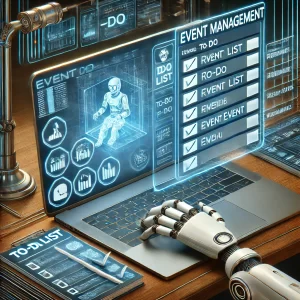 management is a critical skill for remote workers, as it directly impacts your productivity and work-life balance. Without the structure of a traditional office, it’s easy to lose track of time or become distracted by household responsibilities. To stay on top of your tasks, consider using time management tools such as Google Calendar, Todoist, or Asana. These tools can help you organize your workday, set priorities, and track your progress. Developing a consistent routine that includes dedicated work hours, regular breaks, and time for personal activities can also help you manage your time effectively. By prioritizing time management, you can ensure that you meet deadlines and maintain a healthy balance between work and personal life.
Understanding Cybersecurity
As remote work becomes more prevalent, cybersecurity has become a major concern for both employers and employees. Understanding the basics of cybersecurity is essential for protecting your work and personal information from potential threats. This includes using strong, unique passwords, enabling two-factor authentication, and being cautious of phishing emails or suspicious links. Additionally, ensuring that your home network is secure by using a VPN and regularly updating your devices can further protect your data. Familiarizing yourself with your company’s cybersecurity policies and best practices can help you contribute to a safer remote work environment. Staying informed about the latest cybersecurity threats and how to mitigate them is an ongoing process that requires vigilance and proactive measures.
Embracing Lifelong Learning
The remote work landscape is dynamic and ever-evolving, making lifelong learning an essential skill for success. Whether it’s learning a new software program, adapting to changes in your industry, or developing soft skills like communication and leadership, continuous learning ensures that you remain relevant and competitive in your field. Take advantage of online courses, webinars, and professional development opportunities to expand your skill set and stay ahead of the curve. Networking with other remote professionals and participating in industry-specific communities can also provide valuable insights and resources for your career growth. Embracing lifelong learning not only enhances your technical skills but also prepares you to navigate the challenges and opportunities of the remote work environment.
Conclusion
Thriving in a work from home environment requires more than just a reliable internet connection and a comfortable workspace. It demands a strong set of technical skills that enable you to communicate effectively, manage your time efficiently, and protect your data from cybersecurity threats. By mastering these essential tech skills and committing to lifelong learning, you can build a successful and fulfilling remote career. Whether you’re new to remote work or a seasoned professional, investing in your technical competencies will help you navigate the challenges of the remote work.